-
 Yogiraj Goth Vati Classic
×
₹188.001 × ₹188.00
Yogiraj Goth Vati Classic
×
₹188.001 × ₹188.00
 Yogiraj Goth Vati Classic
×
Yogiraj Goth Vati Classic
×
Shilajit is one of the most powerful substances described in Ayurveda, valued for centuries for its ability to support strength, vitality, and overall wellness. However, raw Shilajit collected from the mountains cannot be consumed directly. It naturally contains impurities such as sand, soil, and unwanted organic matter.
This is why Ayurveda emphasizes a purification process known as Shodhana, which removes impurities while preserving the beneficial compounds found in Shilajit.
At Yogiraj Ayurvedic, traditional Ayurvedic principles are combined with modern quality standards to ensure that Shilajit resin is purified properly before reaching consumers. Each batch is carefully processed in a GMP-certified facility to maintain consistency, safety, and authenticity.
In this article, we explain how Shilajit is purified using traditional methods and why this process is essential for delivering high-quality Shilajit resin.
Raw Shilajit is a naturally occurring mineral resin found mainly in the Himalayan mountains. It forms over centuries from the gradual decomposition of plant material and minerals trapped between rock layers.
When collected from mountains, raw Shilajit contains several natural impurities such as:
Consuming raw Shilajit without purification can be unsafe, which is why Ayurveda developed the Shodhana purification process.
In Ayurvedic medicine, Shodhana refers to a traditional purification technique used to detoxify and refine natural substances before they are used in medicinal formulations.
This process ensures that:
For Shilajit, Shodhana is essential because it enhances both purity and bioavailability.
Although specific methods may vary slightly depending on Ayurvedic traditions, the purification process generally follows several important steps.
The process begins with the careful collection of raw Shilajit from mountain rocks, usually during warmer months when the resin naturally oozes from rock crevices.
High-altitude Himalayan regions are known to produce some of the most potent Shilajit due to their mineral-rich environment.
Once collected, the raw Shilajit is cleaned to remove visible impurities such as soil, stones, and plant debris.
This step prepares the material for further purification.
The raw Shilajit is dissolved in purified water. This allows heavier impurities like sand and rock particles to settle at the bottom.
The liquid is then carefully filtered multiple times to remove unwanted particles.
Traditional Ayurvedic purification may involve using herbal decoctions or natural filtration methods to enhance the purification process.
These steps help maintain the natural balance of minerals while eliminating remaining impurities.
After filtration, the purified liquid is slowly concentrated to restore the thick resin-like consistency of Shilajit.
This stage requires careful control to preserve the active compounds such as fulvic acid and trace minerals.
Before the product reaches consumers, the purified Shilajit is tested for quality, purity, and consistency.
This ensures that the final product is safe, authentic, and suitable for consumption.
The purification process plays a critical role in ensuring the safety and effectiveness of Shilajit.
Properly purified Shilajit helps:
Without proper purification, Shilajit may not provide the full benefits described in Ayurvedic texts.
At Yogiraj Ayurvedic, the focus is on maintaining the authenticity of Ayurvedic formulations while following strict quality control standards.
Products are manufactured in a GMP-certified facility, ensuring that each batch meets high levels of consistency and safety.
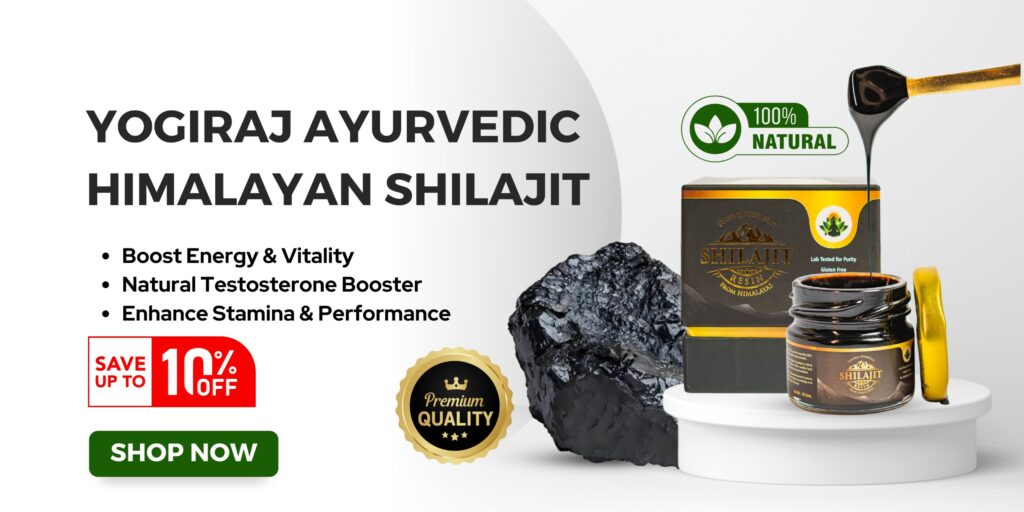
The Yogiraj Ayurvedic Shilajit Resin is carefully prepared using traditional Ayurvedic knowledge combined with modern manufacturing practices to preserve its natural potency and purity.
You can explore the product here:
Shilajit is a valuable natural substance in Ayurveda, but its effectiveness depends greatly on how it is processed and purified. The traditional Shodhana purification method ensures that impurities are removed while preserving the beneficial minerals and compounds found in Shilajit.
By choosing products that follow authentic Ayurvedic purification techniques and quality standards, consumers can experience the true benefits of Shilajit safely and effectively.
Brands like Yogiraj Ayurvedic continue to preserve these traditional methods while ensuring modern manufacturing standards for quality and reliability.
Why does Shilajit need purification?
Raw Shilajit contains natural impurities like sand, soil, and plant residues. The Ayurvedic purification process removes these impurities and makes the resin safe for consumption.
What is Shodhana in Ayurveda?
Shodhana is a traditional Ayurvedic purification process used to detoxify natural substances and enhance their safety and effectiveness.
How is Shilajit traditionally purified?
Traditional purification involves dissolving raw Shilajit in water, filtering impurities, using herbal purification methods, and concentrating the purified resin.
Is purified Shilajit safe to consume?
Yes, properly purified Shilajit prepared according to Ayurvedic principles and quality standards is considered safe when consumed as recommended.


